Transformation Is a Leadership Journey
By: The VS Education Team
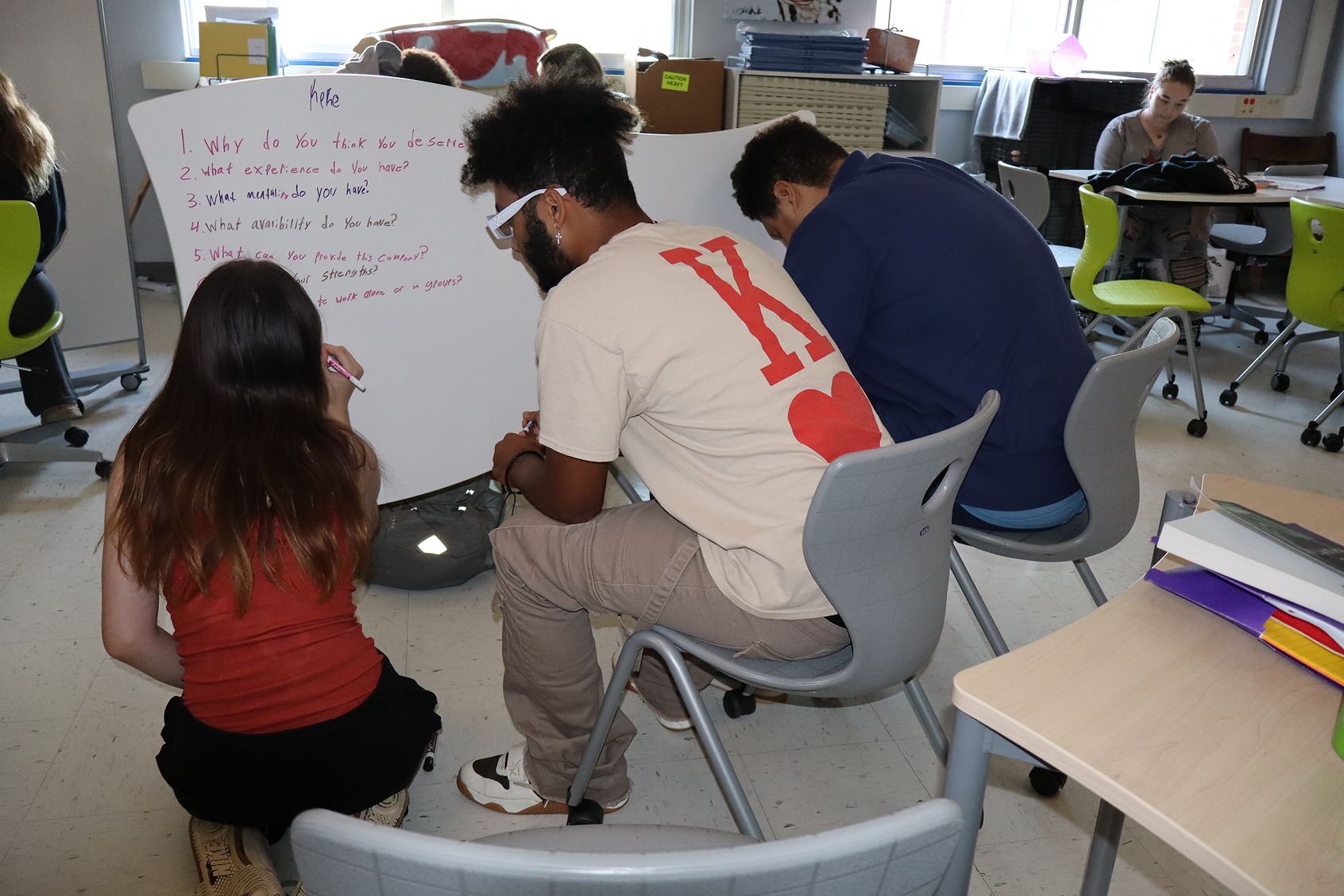
Hudson Falls High School, Hudson Falls, NY
Hudson Falls High School, Hudson Falls, NY
Hudson Falls High School, Hudson Falls, NY
Transforming learning spaces is about more than updating furniture or redesigning classrooms – it’s about shifting mindsets, evolving leadership, and creating shared language around how space supports learning. Listening to students, supporting teachers, communicating clearly, engaging in continuous learning, and challenging the status quo create the conditions for meaningful transformation.
Effective leadership in these spaces isn’t about having all the answers; it’s about asking the right questions, removing barriers, and empowering those who teach and learn every day. Change can be daunting, but with curiosity and a “why not?” approach, it becomes an opportunity for growth.
The most profound transformations happen when leaders evolve alongside their schools. When spaces change, so must those guiding them. In collaboration with fellow school leaders, teachers, and students, five key lessons emerged about leading in an ever-changing learning environment shaped by furniture, flexibility, and function.
1. Leadership Means Lifelong Learning in Dynamic Spaces
To lead in adaptable learning environments, leadership is a continuous learning process. Walking the journey alongside teachers strengthens collaboration and builds a culture of shared growth. Developing a common language around space, furniture, and learning behaviors helps frame these shifts in ways that make sense for everyone involved.
Maya Angelou’s words resonate deeply in moments of uncertainty: “Do the best you can until you know better. Then, when you know better, do better.” Leadership is about modeling this mindset – acknowledging when something isn’t working and adjusting accordingly.
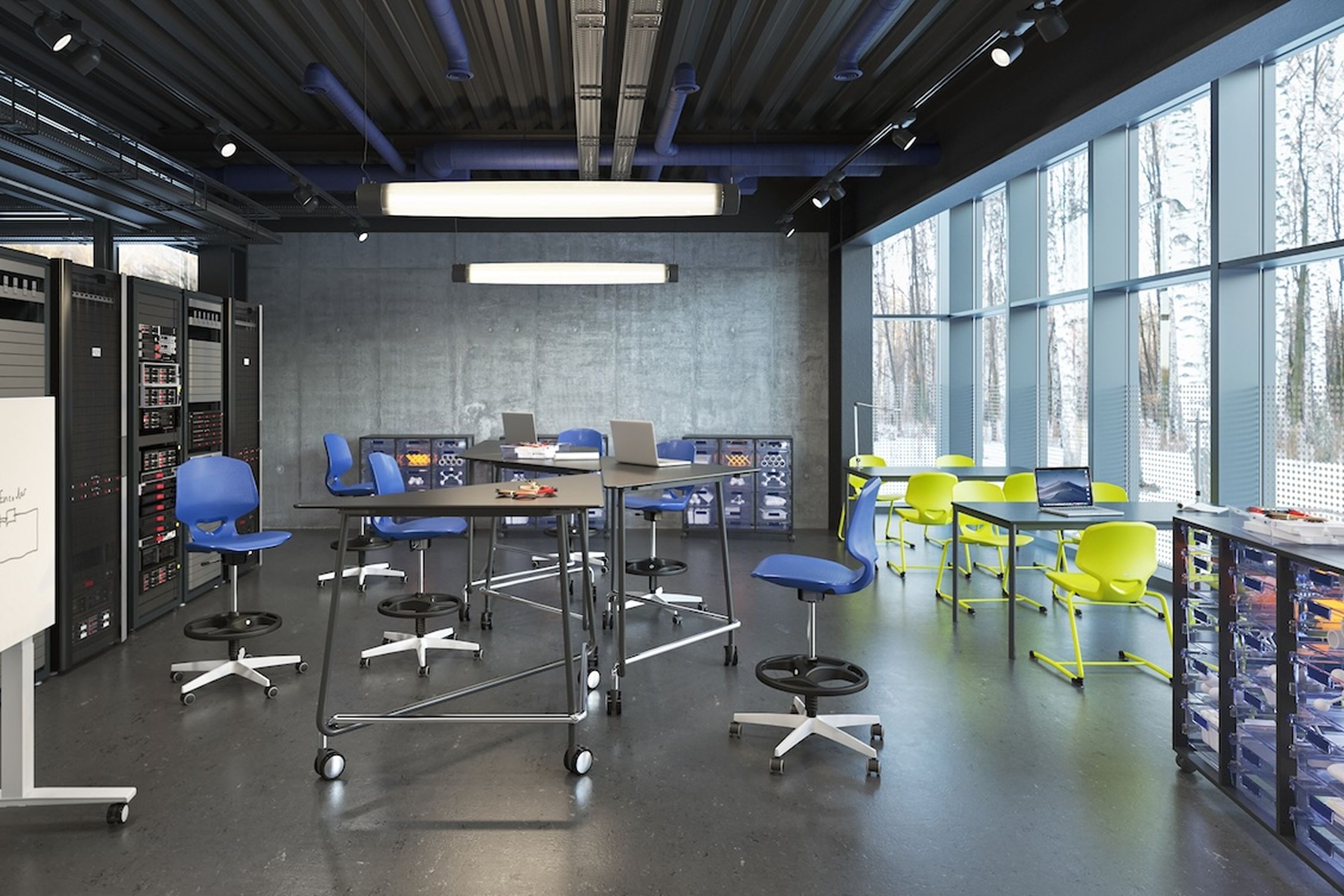
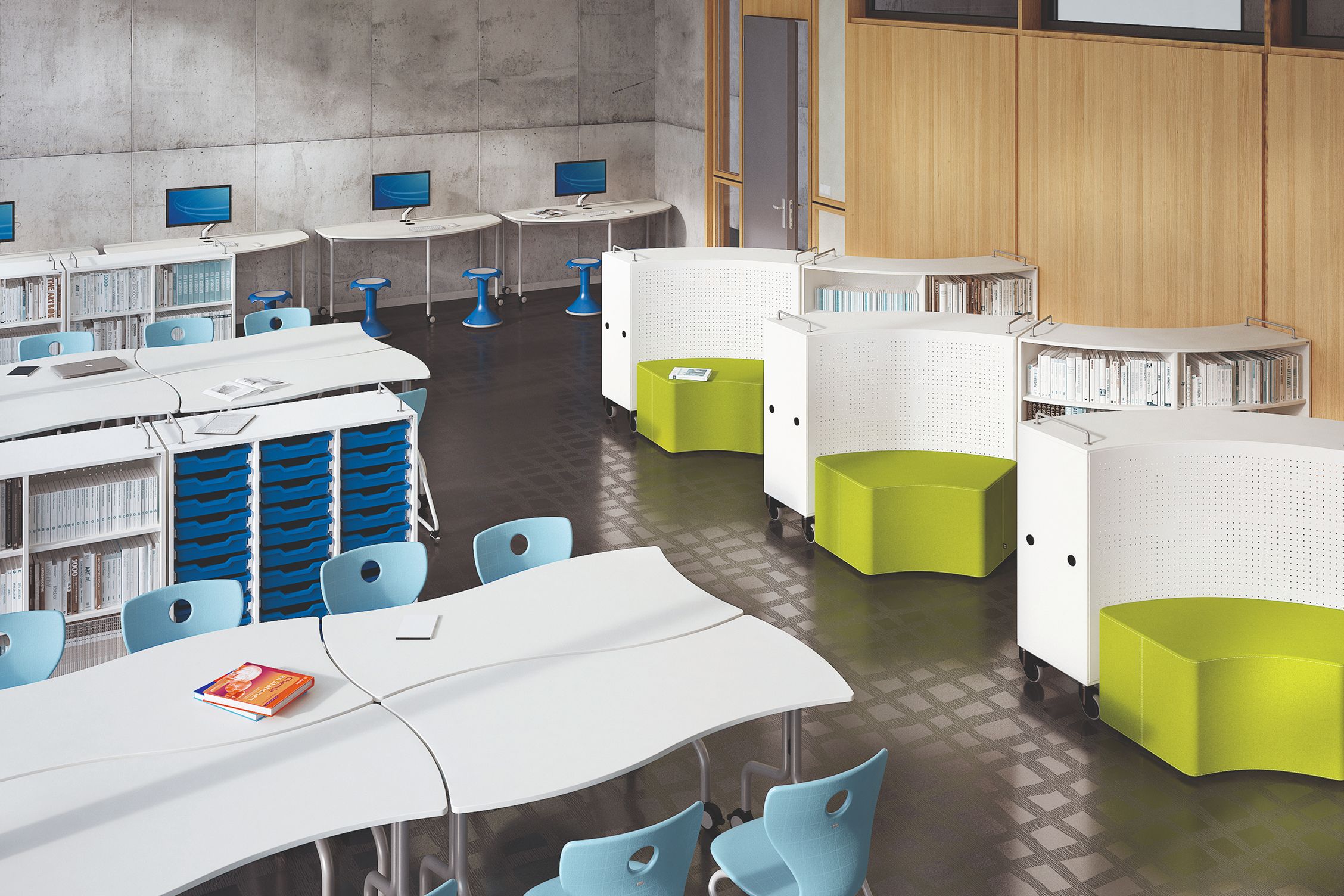
In flexible learning spaces, this means understanding how furniture choices impact engagement, accessibility, and movement. Being present, listening actively, and discussing the use of specific pieces of furniture – whether standing desks or height-adjustable tables ↗ , flip tables with writable surfaces ↗ , tiered seating, or mobile storage ↗ – fosters confidence in the use of space.
As a native Rhode Islander, Courtney Sevigny, Learning Environment Specialist at VS America, likes to think of the administrator as the captain of a ship. In calm waters, the captain sets the course, guides the crew, and delegates roles. In turbulent times, the captain rolls up their sleeves and adjusts the sails alongside the crew. Trust is built by engaging in real conversations, observing how space is used, and testing changes in response to student and teacher feedback.
Emergencies will always arise, but staying connected to the pulse of the building, the use of space, and the impact of design decisions keeps leadership grounded in learning.
2. Students Lead the Way When Space Supports Their Needs
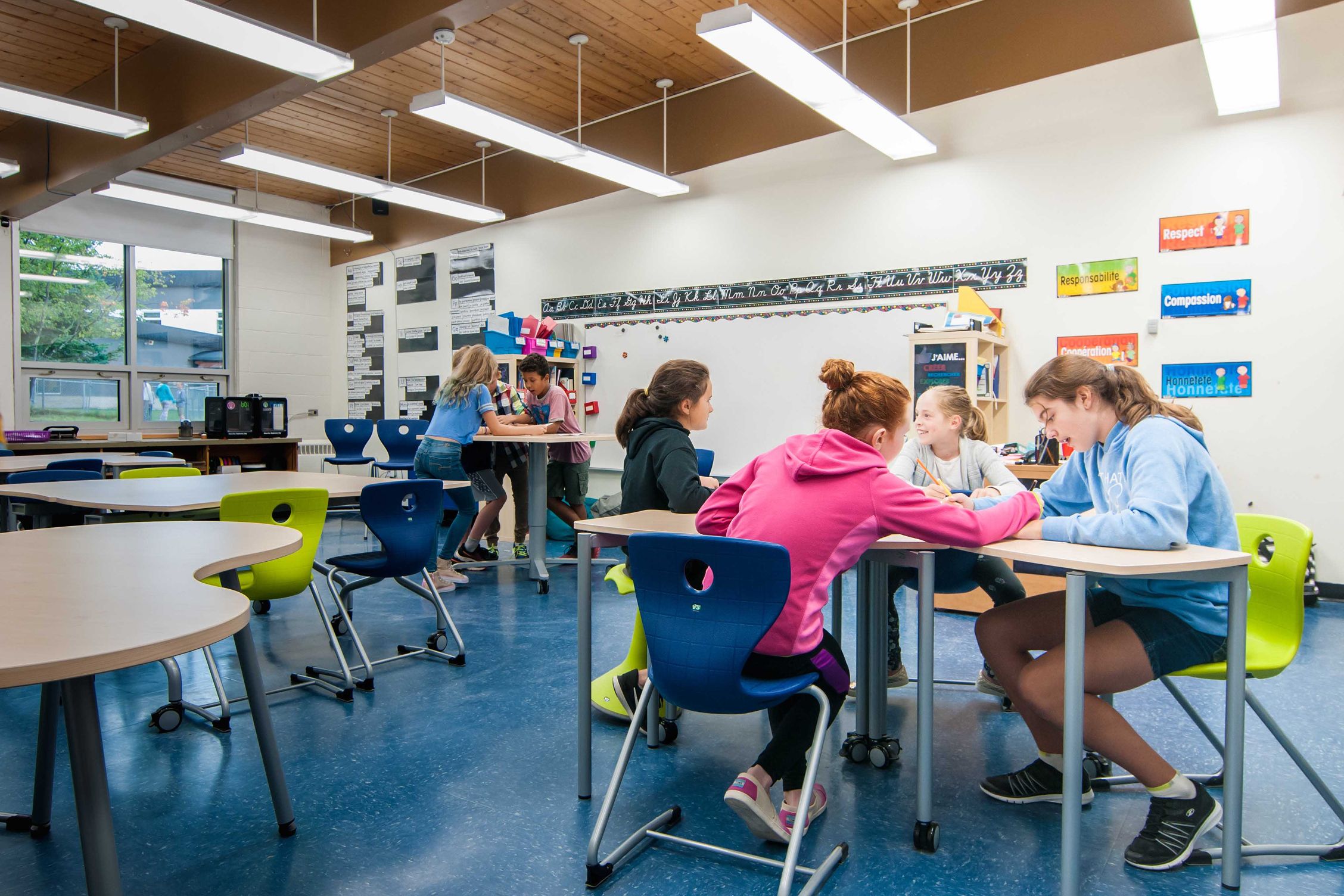
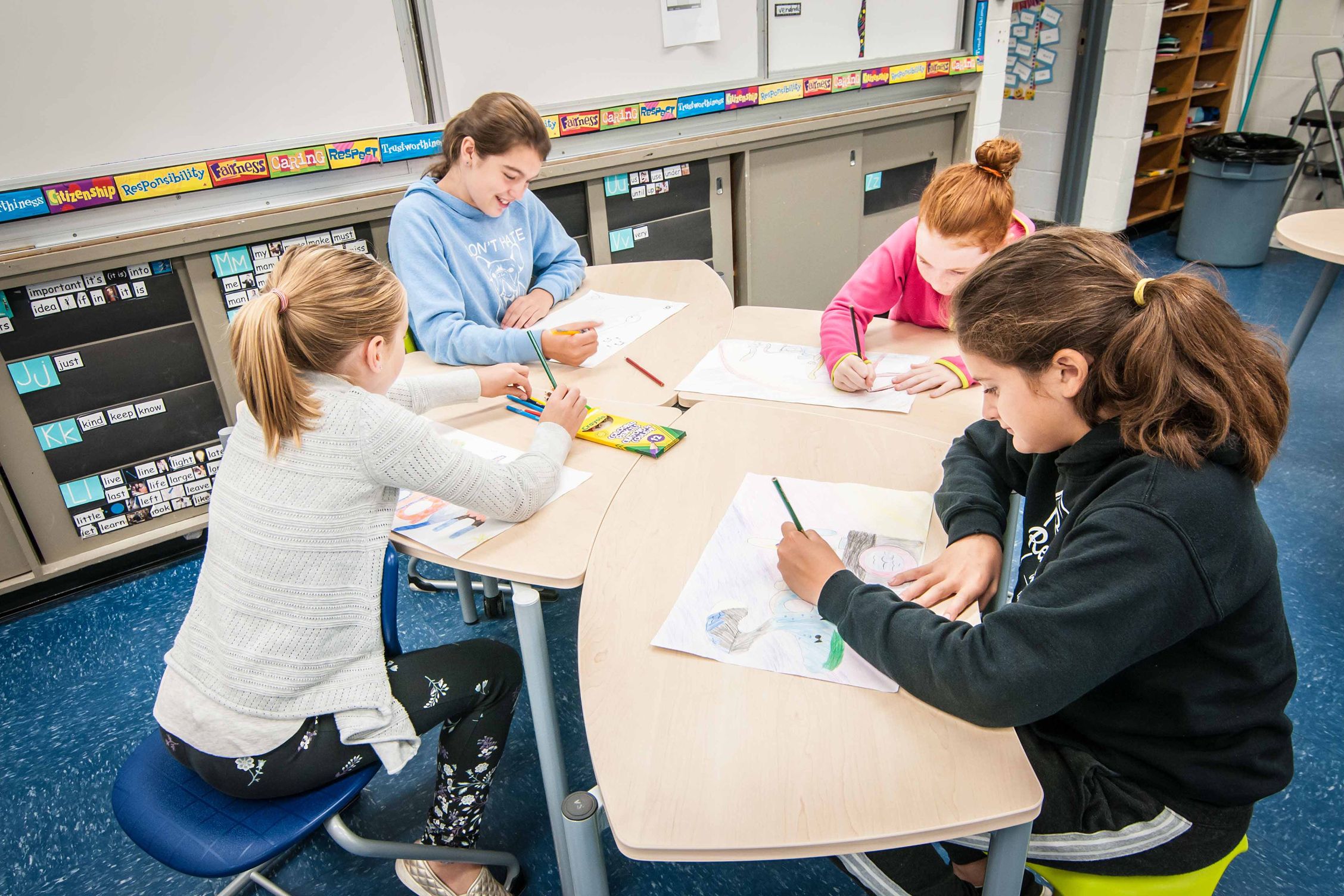
Observing students in action offers invaluable insights. When given the right environments, they naturally demonstrate what supports their engagement and growth. Furniture and spatial flexibility create conditions for self-direction, collaboration, and deeper engagement ↗ .
I will never forget walking into the learning commons and seeing students reclining while working on a writing assignment. My instinct was to correct their posture, but taking a moment to observe revealed something deeper – a preconceived idea about what learning “should” look like. That day, I learned a priceless lesson: even forward-thinking leaders carry assumptions that could hinder growth.
The key is not allowing those ideas to dictate decision-making. Observe without judgment. When you do this, stories unfold that you might otherwise miss – a reluctant writer filling an entire writable tabletop with prewriting, a student calmly working while perched on a Hokki stool, or a group naturally shifting desks to collaborate.
A ninth-grade student in Connecticut once said, “I wish we had more group work because the tables are easier to move. We’d like to use the furniture the way it was designed.” This wasn’t disengagement – it was a request for autonomy in using space for learning.
Student voices matter. When schools create a shared language around how learning spaces are used, students, teachers, and leaders collaborate in designing environments that actively support engagement, choice, and collaboration.
3. Supporting Teachers as Learners in New Spaces
Just as students benefit from scaffolding and flexibility, teachers also benefit from clear support in navigating dynamic environments. Traditional classroom design often dictates rigid instruction. Introducing adaptable learning spaces means shifting instructional practices ↗ .
Professional learning that includes hands-on engagement with flexible furniture, real-world scenarios, and practical experimentation fosters confidence. Teachers thrive when they see how writable surfaces encourage iterative thinking, how mobile seating supports small-group discussion, and how modular spaces allow for differentiated learning experiences.
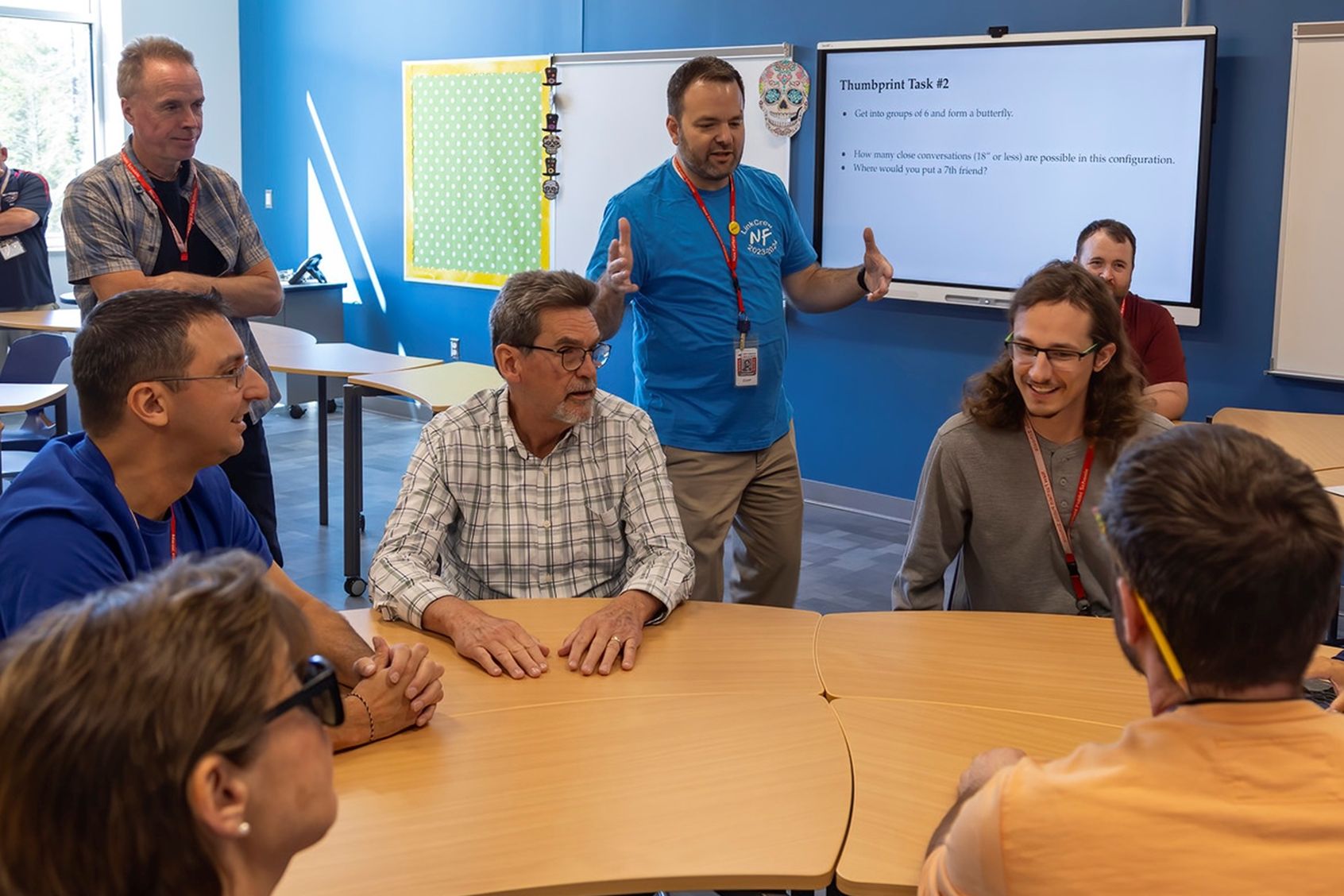
New Fairfield High School, New Fairfield, CT
New Fairfield High School, New Fairfield, CT
New Fairfield High School, New Fairfield, CT
“In the previous building, hallways were lined with closed doors, limiting interactions. Now, in more open and adaptable spaces, I see learning in action.
Happy collisions happen naturally, teachers move beyond their classrooms, and I engage with students in ways that weren’t possible before. It’s not just the learning spaces, the office spaces are more open too.
There’s more dialogue. There’s more collaboration.”
– James D’Amico, Principal, New Fairfield High School, reflecting on the shift in leadership within a transformed school space
Some staff embrace these changes quickly, while others take time. Regular conversations, feedback, and ongoing professional learning support teachers in rethinking how furniture, movement, and spatial planning enhance instruction.
Supporting teachers isn’t just about formal training – it’s about building a culture of shared exploration. Leaving a note in a teacher’s mailbox after a classroom visit, recognizing innovation in a staff meeting, or simply listening to their reflections fosters a climate where transformation feels supported rather than imposed.
4. Clear Expectations & Communication Build a Shared Vision
Transitions work best when there is alignment between leadership, teachers, and students ↗ . A shared vision for how spaces function, why they exist, and how they support learning provides clarity.
One guiding question anchors decision-making: Is this best for students?
When the answer is yes, staying the course strengthens implementation. When uncertainty arises, observing how students and teachers interact with the space offers insight.
Communicating expectations builds confidence:
Helping students articulate why flexible spaces support collaboration and independence gives them ownership
Encouraging teachers to discuss how different furniture configurations support specific instructional goals fosters shared learning
Keeping the larger school community informed about why space changes matter strengthens long-term support
Frequent communication – whether through informal classroom visits, faculty meetings, parent newsletters, or student feedback sessions – ensures everyone is invested in how space shapes learning.
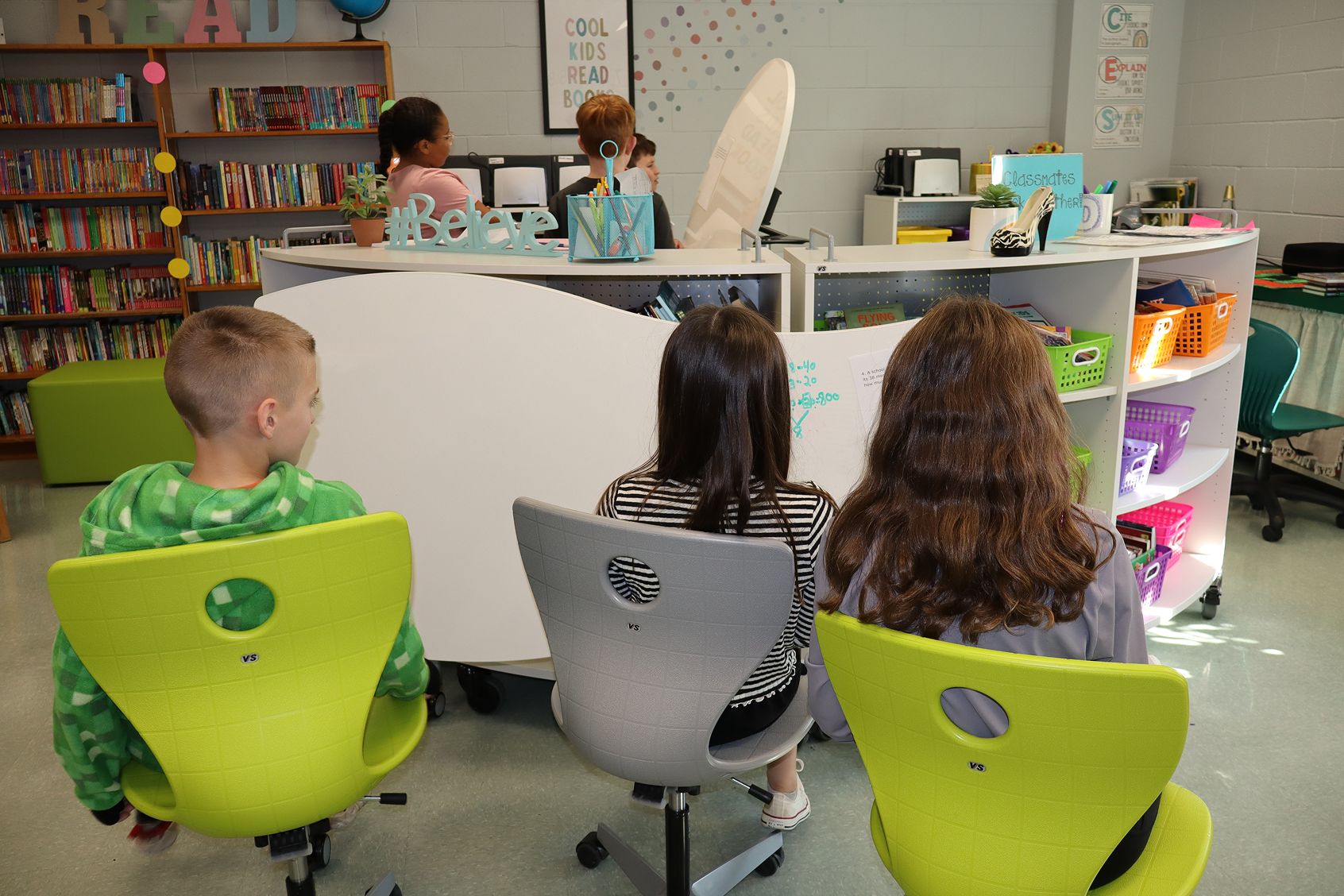
Hudson Falls Intermediate School, Hudson Falls, NY
Hudson Falls Intermediate School, Hudson Falls, NY
Hudson Falls Intermediate School, Hudson Falls, NY
5. Ask ‘Why Not?’ When Rethinking Learning Environments
Resistance often emerges when changing the way space is used:
Why do students need flexible seating?
Why should furniture be mobile?
Why are students encouraged to move?
Why rethink classroom configurations?
Instead, the better question is: Why not?
If something has always been done a certain way, what possibilities emerge when trying something new?
At Eden Park School, we introduced cross-grade homerooms to foster relationships and social-emotional skills, a Boost Block for personalized learning, and redesigned spaces that encouraged movement. Initially, logistical challenges surfaced, but by asking “why not?” we stayed committed to the vision – and the results were transformative.
Engaged students, intentional furniture use, deeper teacher collaboration, and stronger learning experiences all emerged.
Education exists in a rapidly evolving world, and learning spaces should reflect that evolution. When leadership, space, and student agency align, schools become hubs of engagement, flexibility, and innovation.
The Leadership Question: Are You Ready to Lead the Change
The most successful transformations happen not because furniture was purchased, but because leaders, teachers, and students built a shared understanding of how space enhances learning.
Leadership in adaptive environments is about fostering curiosity, aligning vision with space, and creating conditions for continuous improvement. When spaces evolve, leadership evolves.
Explore More Blogs