Spatial Proficiency
Bridging space & pedagogy

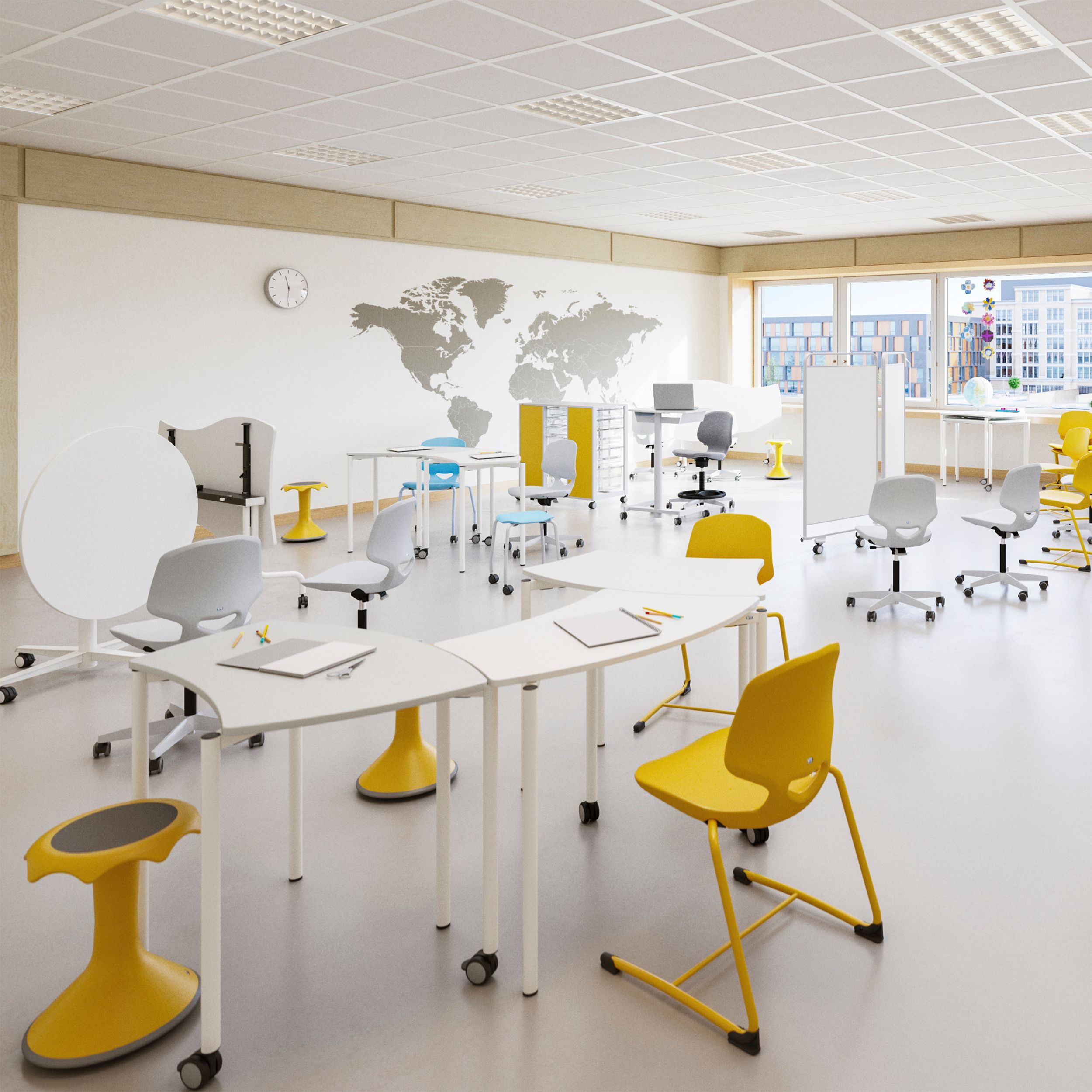
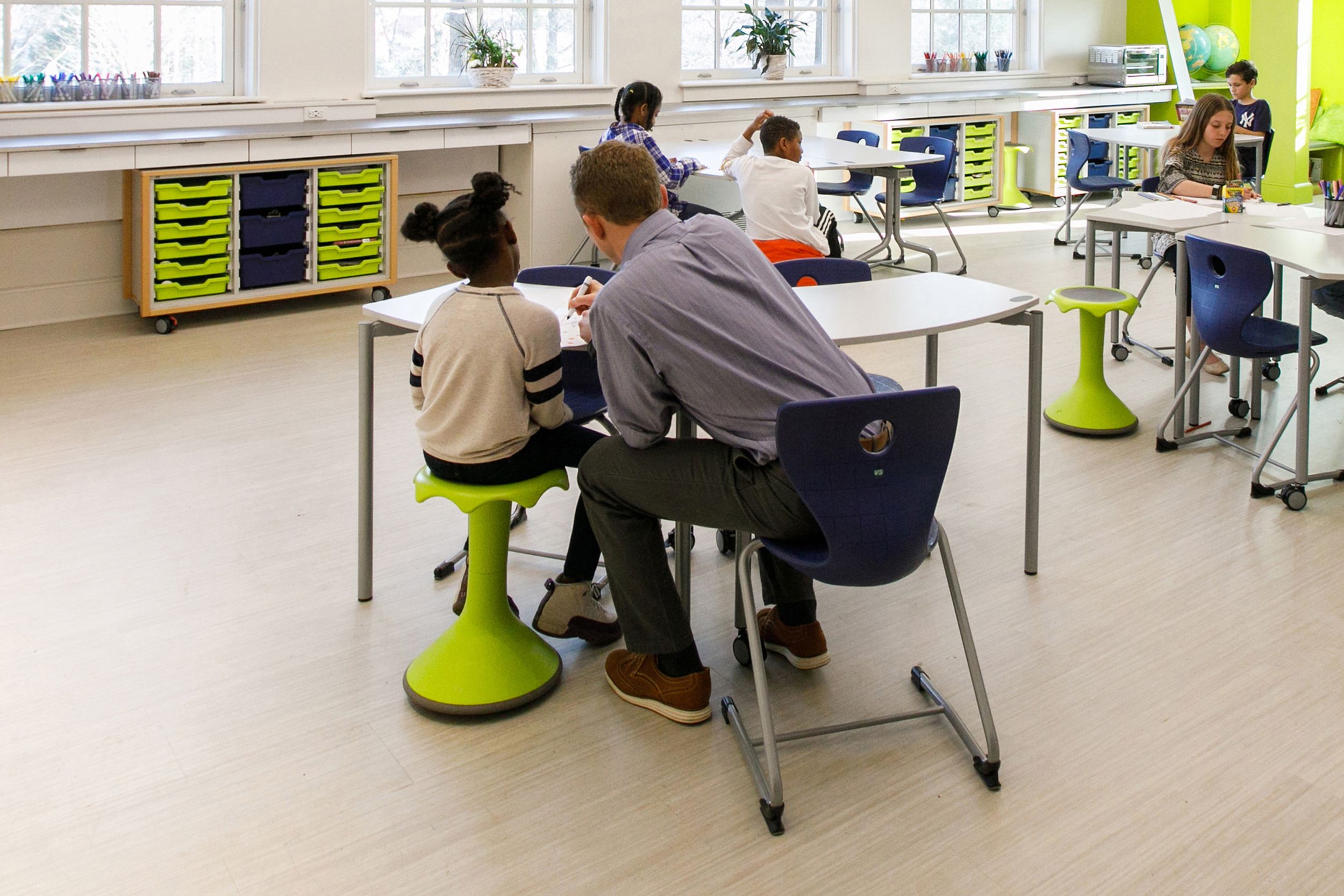
Spatial Proficiency is a practice developed by VS America’s Jill Ackers and Dr. Hilary Hughes (University of Georgia) that connects classrooms with instructional purpose. It gives architects, designers, and educators a shared language to align physical space with teaching and learning values.
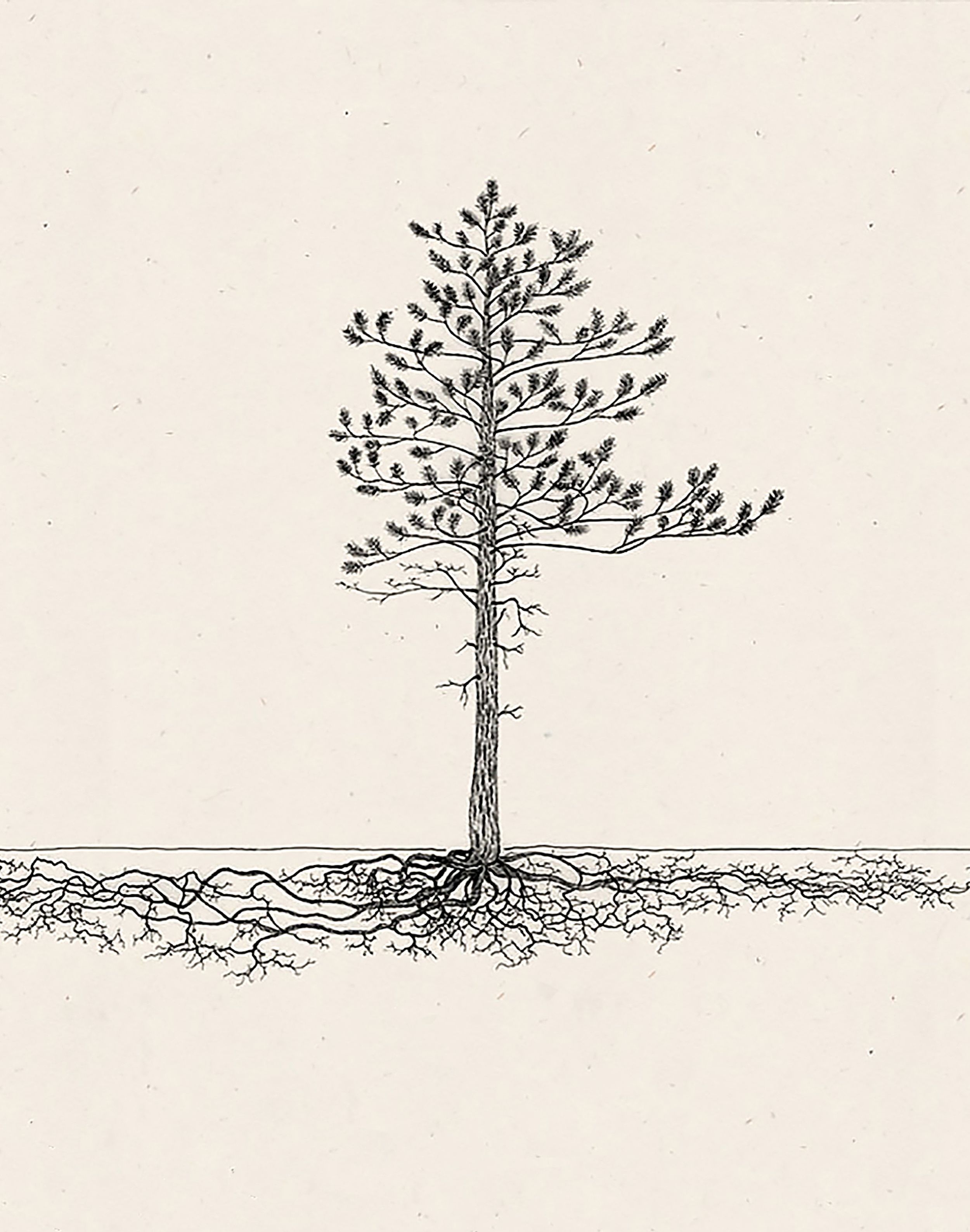
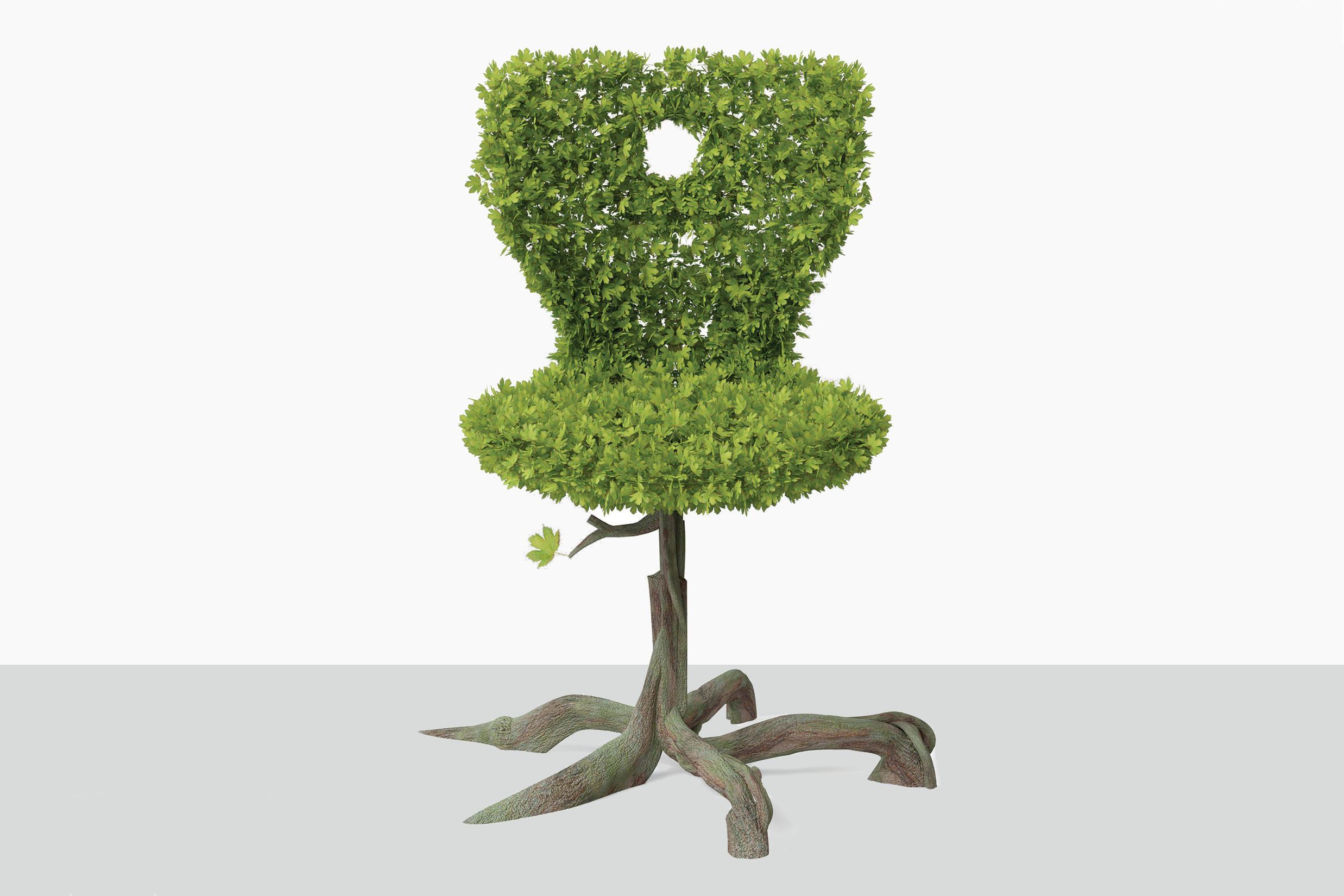
Below the surface of any learning space is a web of elements that anchors and nourishes the whole system. This network of instructional practices, daily routines, learner-educator relationships, and design sensibilities may go unnoticed by the casual observer, but the skilled educator is aware that the unseen elements of a learning space influence the growth and flourishing of both teachers and learners.
This is the foundation of spatial proficiency, a framework that explores how space, practice, and pedagogy intertwine to support meaningful learning experiences from the ground up.
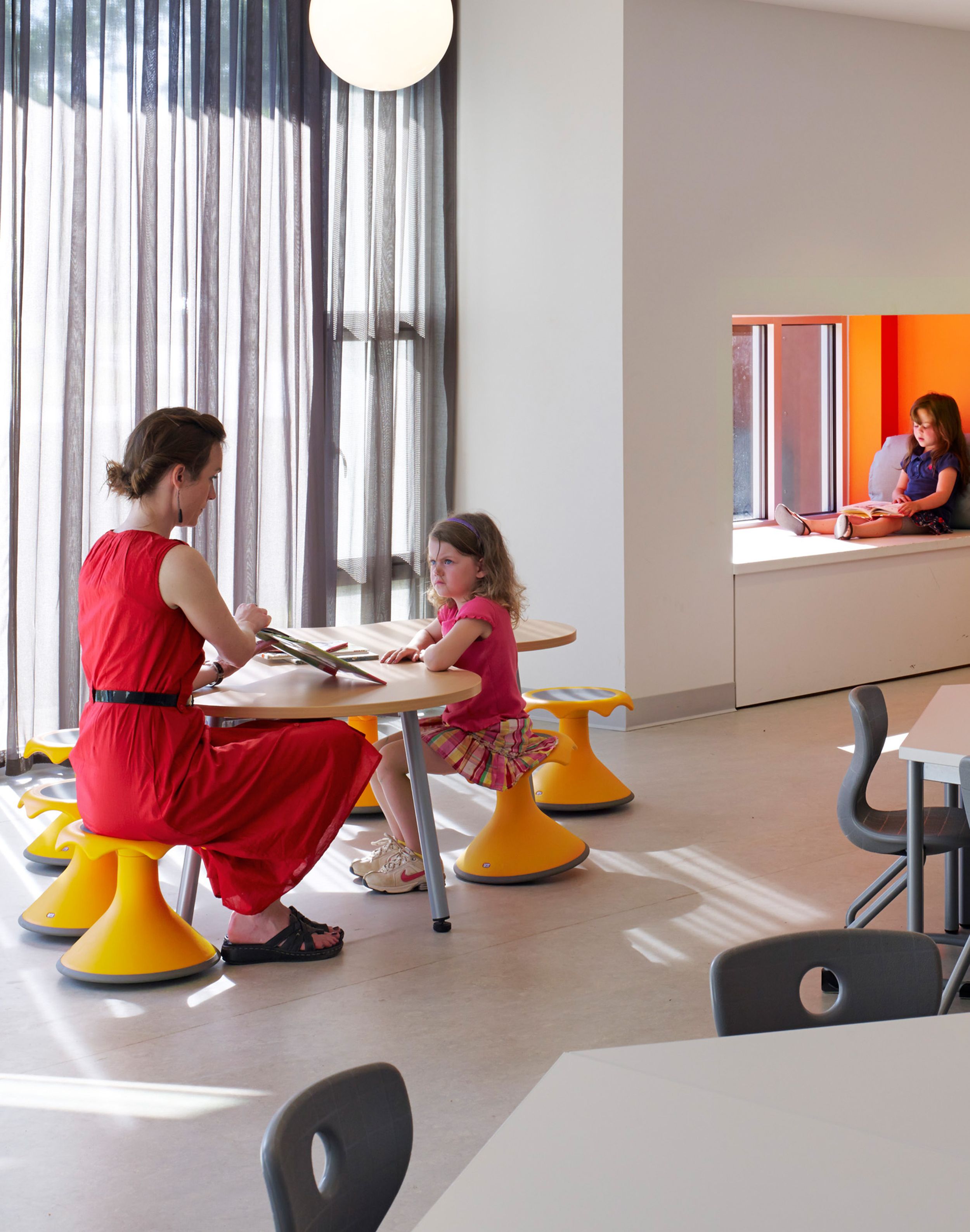
While the teacher and lesson shape the conditions for learning, the physical space either amplifies or constrains those efforts. Spatial proficiency is first about developing an awareness of the unseen or overlooked elements of learning spaces. Then, it’s about building the skills to design space intentionally so it elevates teaching and learning.
A classroom designed with spatial proficiency and intentional furniture choices unlocks the teacher’s potential, supporting students by moving them from recipients of instruction to active contributors in learning.

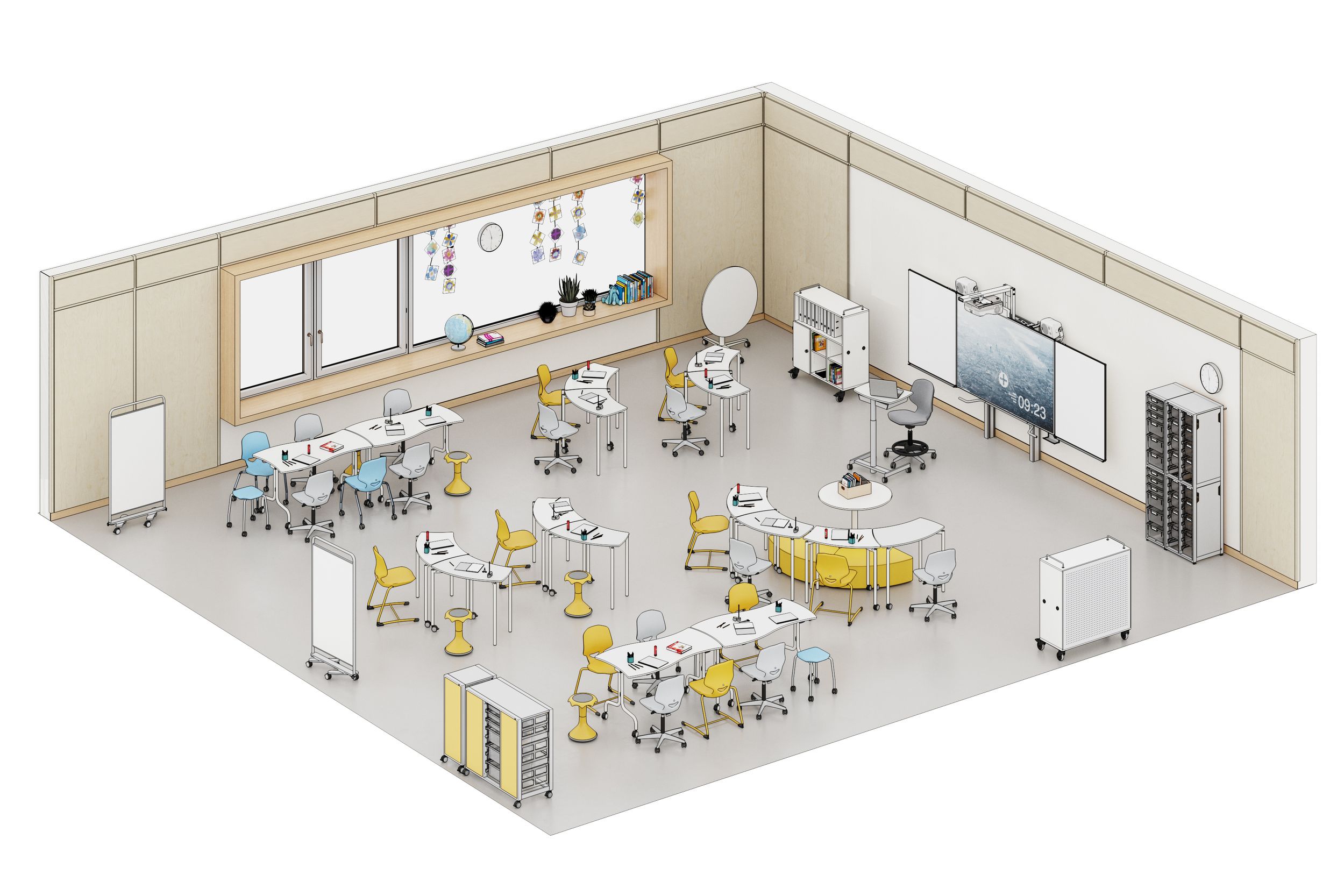
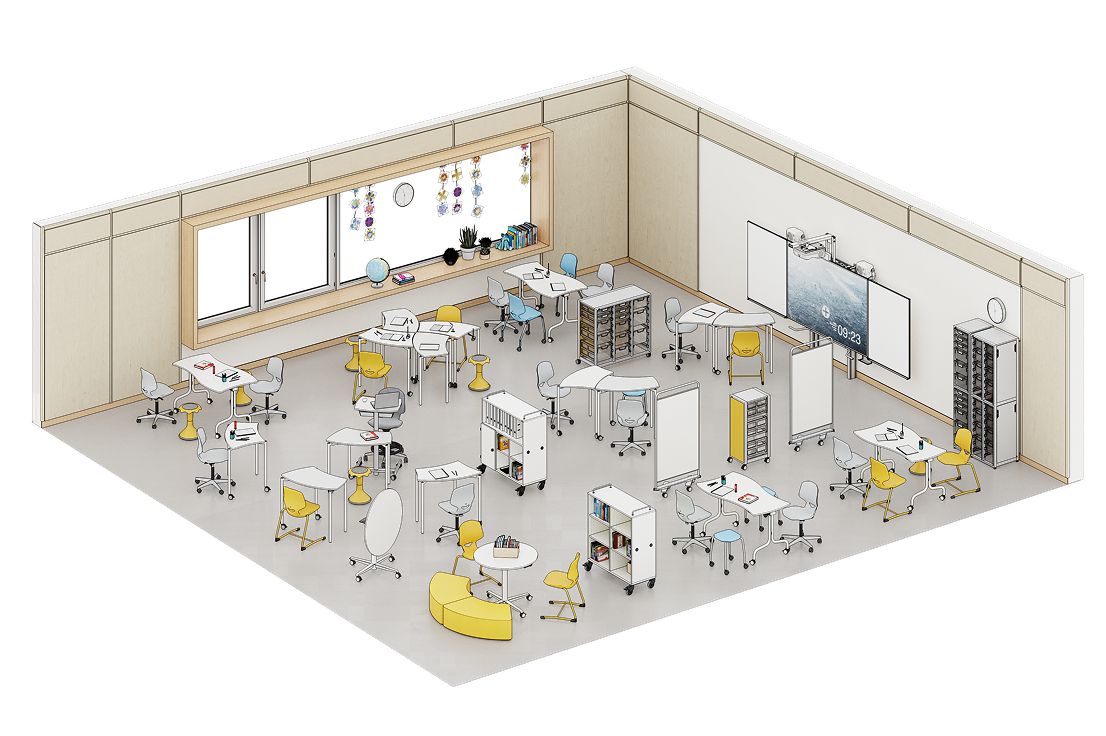
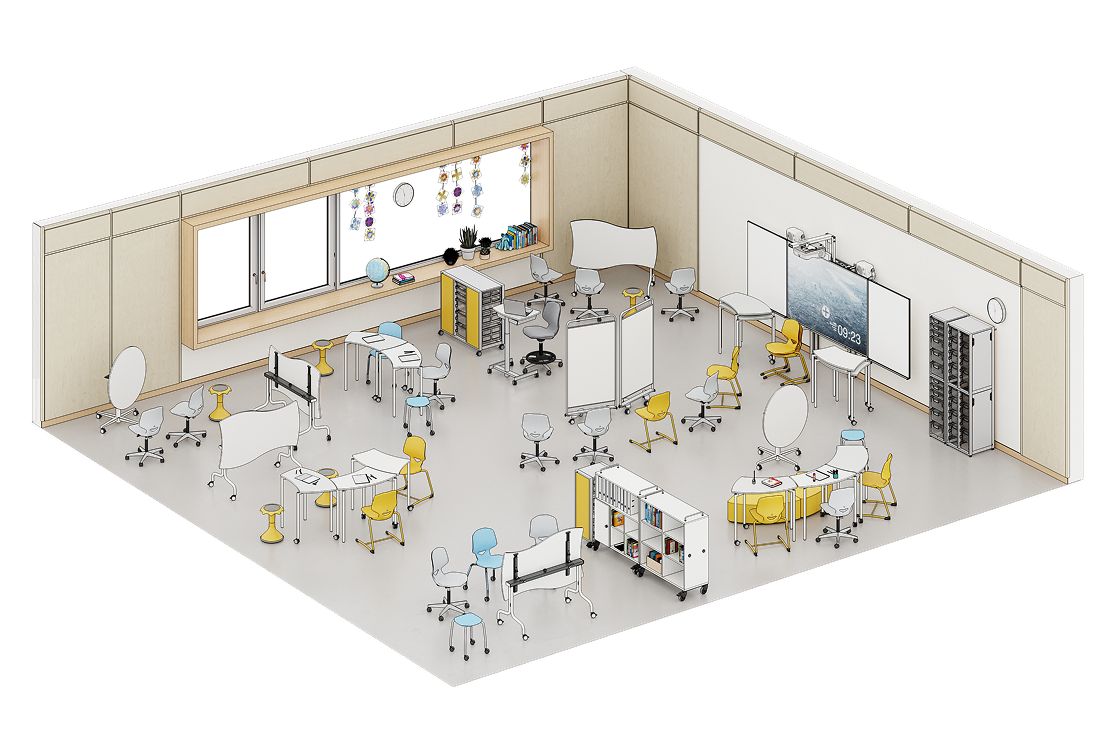
A Spatially Proficient Classroom Is Not Static It Is Alive and Attends to the Rhythms and Needs of the Learners Within
The spatial proficiency framework is built on three interconnected elements: well-being, spatial planning, and academic talk. Together, these elements show how thoughtful design, intentional planning, and attention to student needs create learning spaces that are both flexible and purposeful.
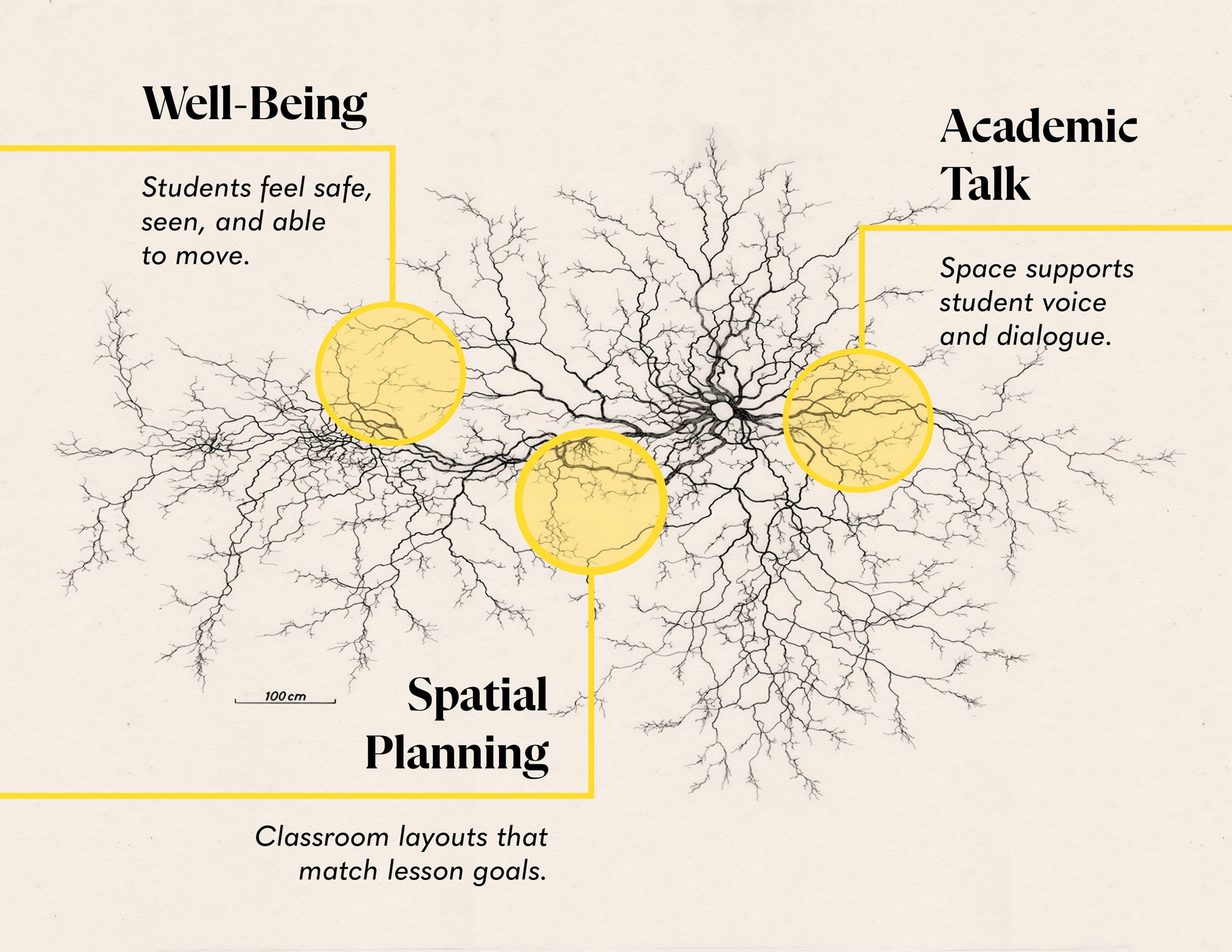
Dive Deeper into Spatial Proficiency
By applying the spatial proficiency framework, educators, designers, and architects can craft classrooms that actively support teaching, learning, and the well-being of every student. Explore the full framework by downloading the spatial proficiency brochure below.
Furniture That Adapts to Shifting Instructional Needs
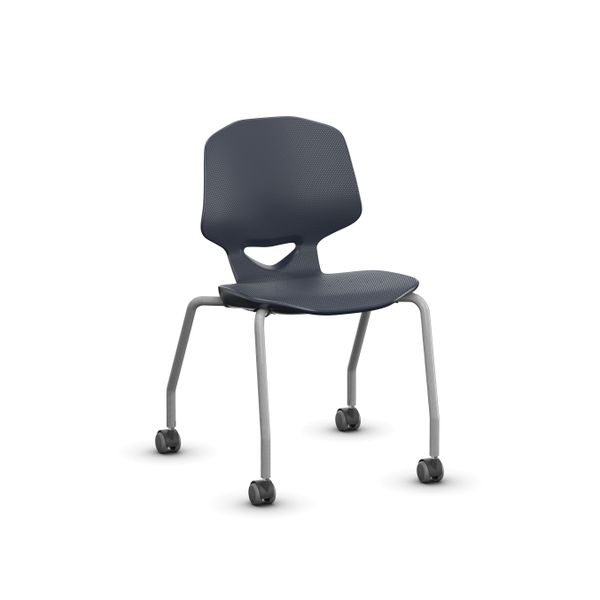
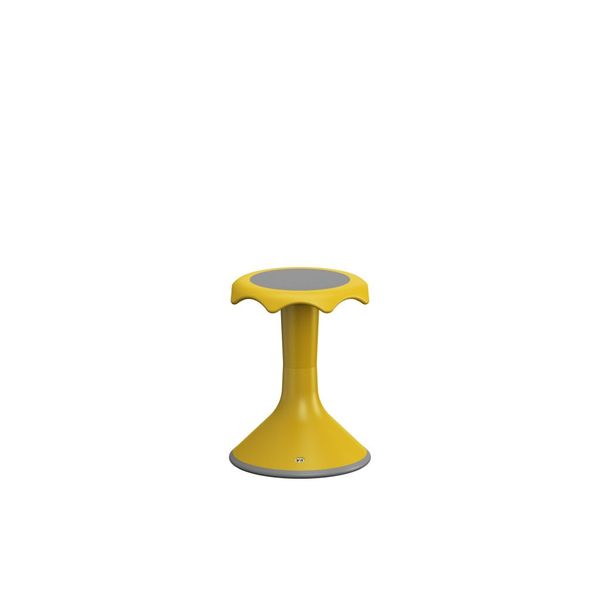
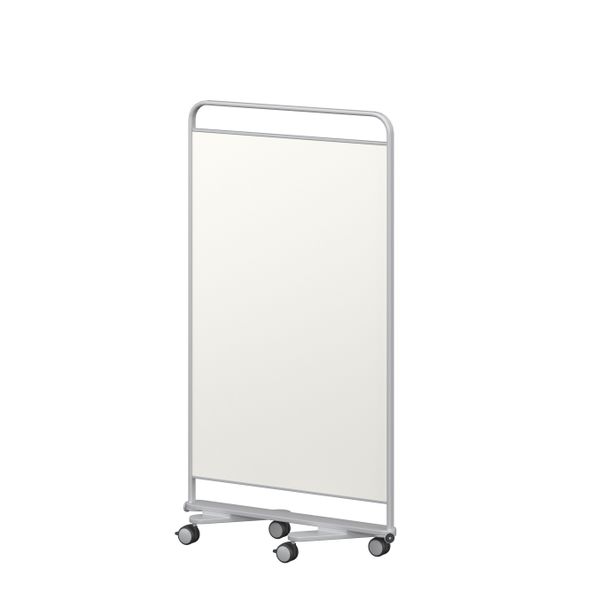
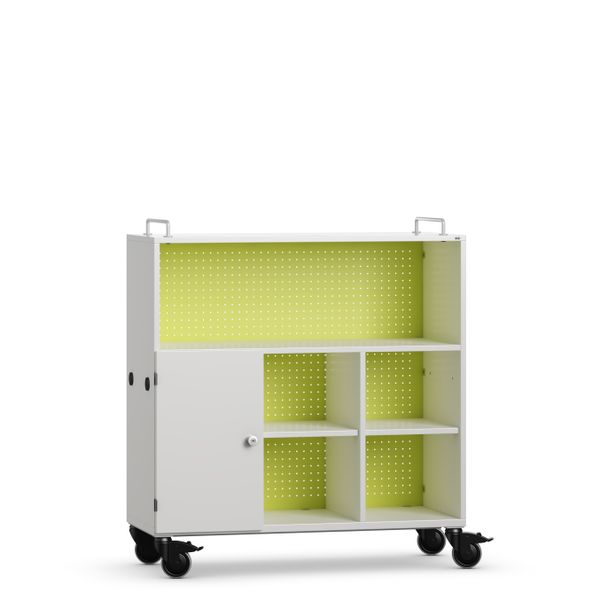
What makes spatial proficiency not only possible but sustainable in schools and classrooms is having the right furniture as a physical tool. Discover featured products, as seen above, that adapt to support evolving classroom needs.
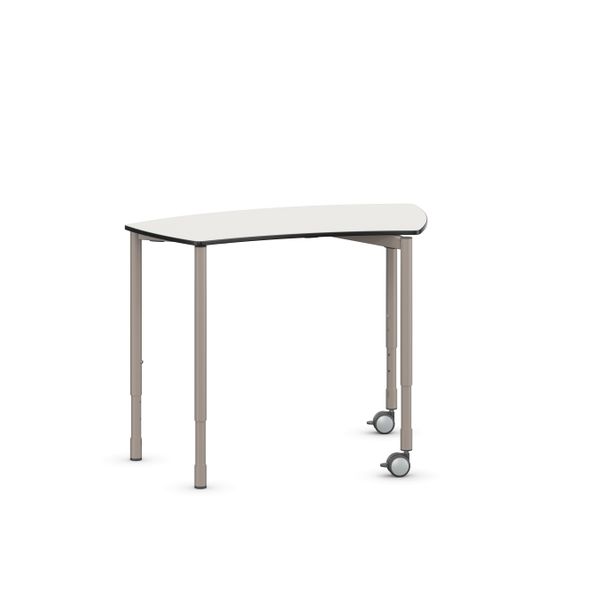
Convex table
W: 38.2" x D: 21.3"
Available in 7 fixed heights or step height adjustable 23.25" - 32.3"
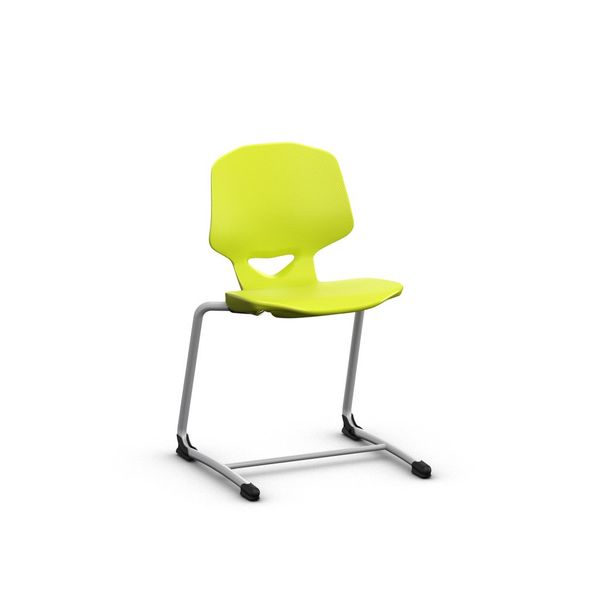
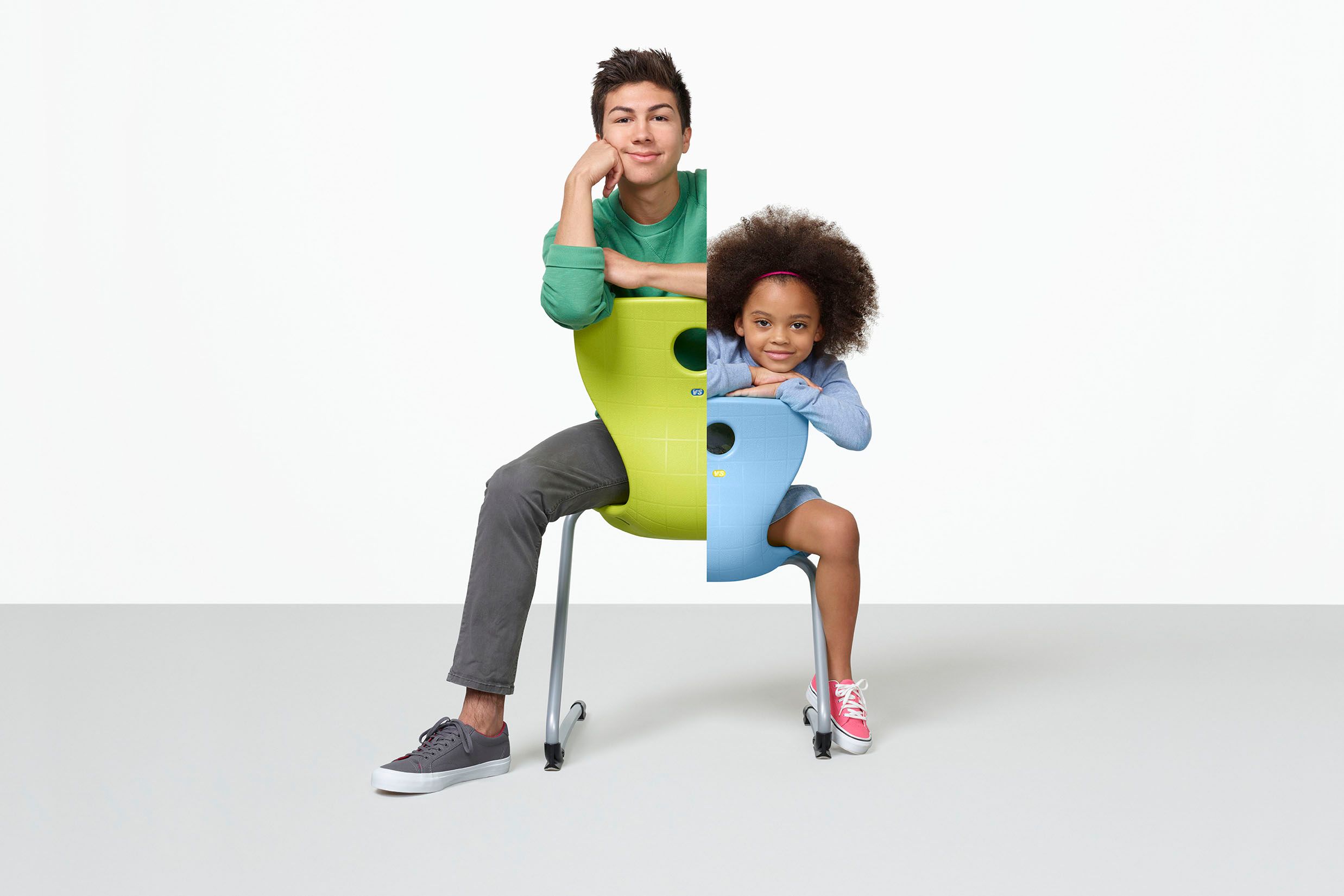
Polypropylene forward-flexing cantilever chair
Available in 6 fixed seat heights
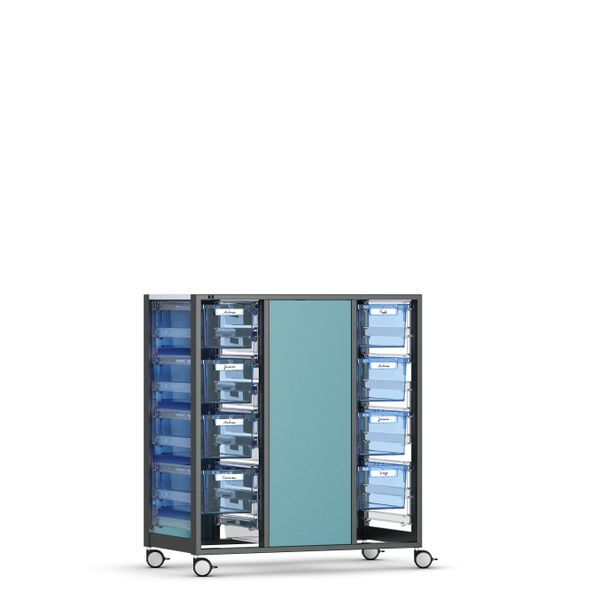
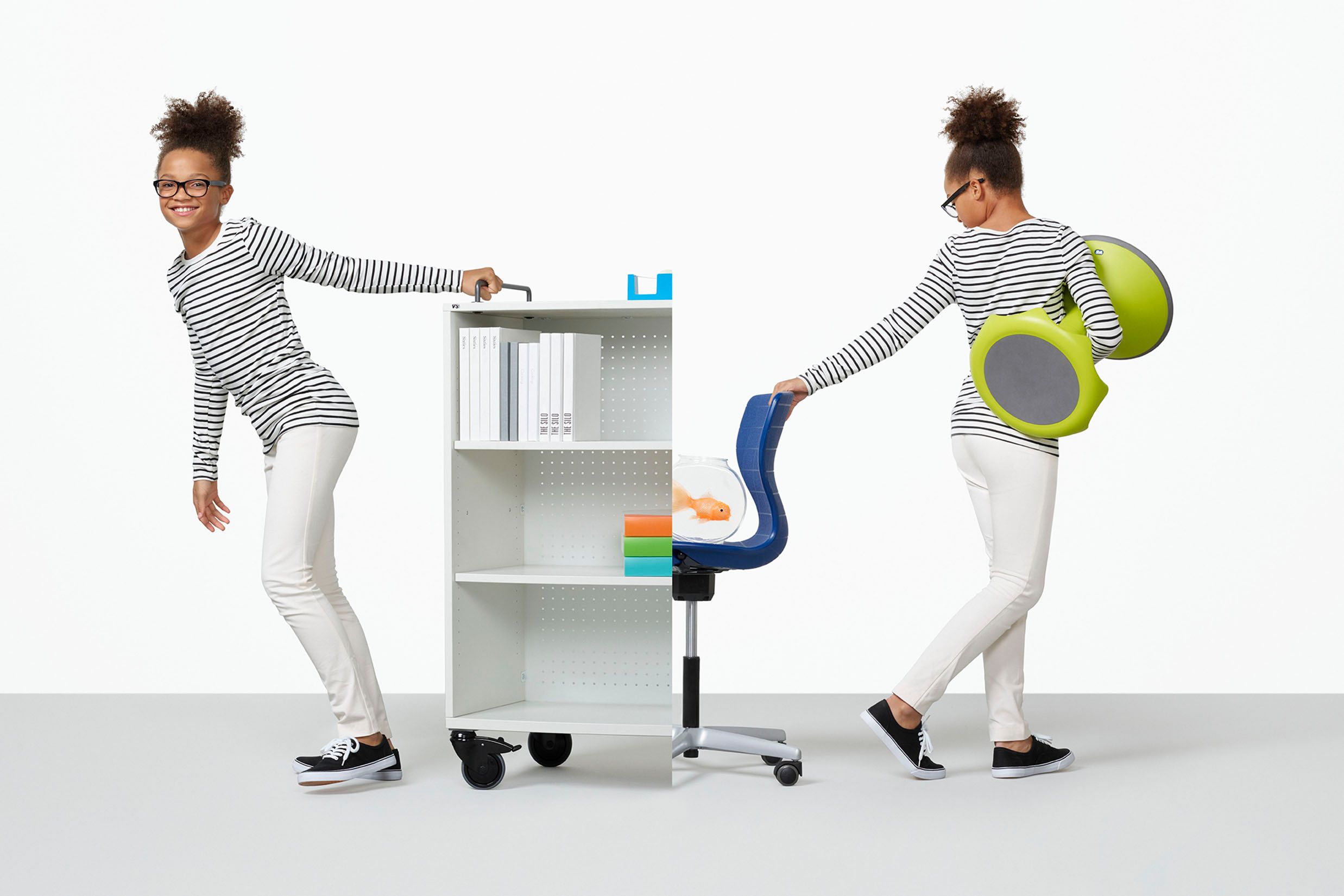
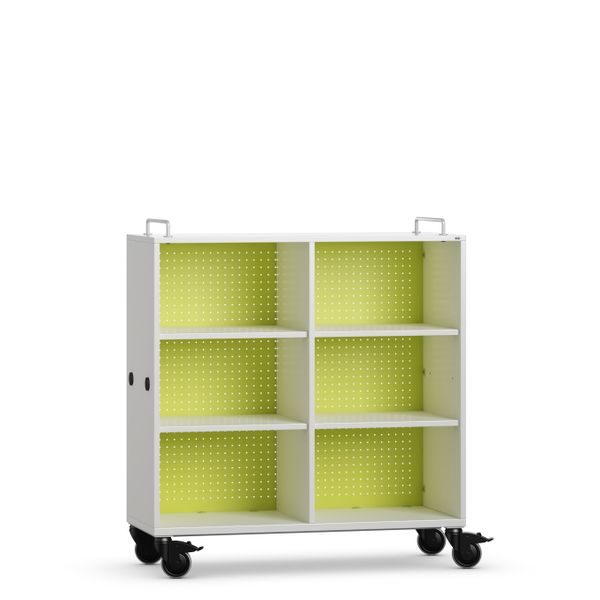
Double-sided mobile storage element for Certwood standard bins and bookbins
W: 35.15" x H: 39.25" x D: 19.05"
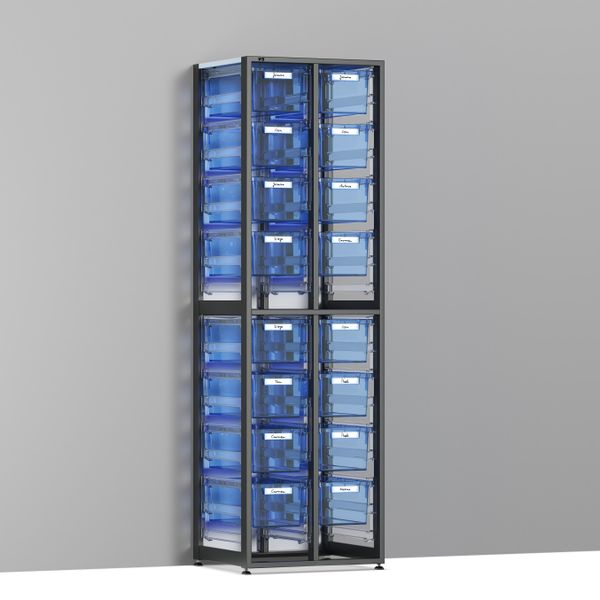
Wall-mounted storage element for Certwood bookbins
W: 21.5" x H: 72.4" x D: 19.05"
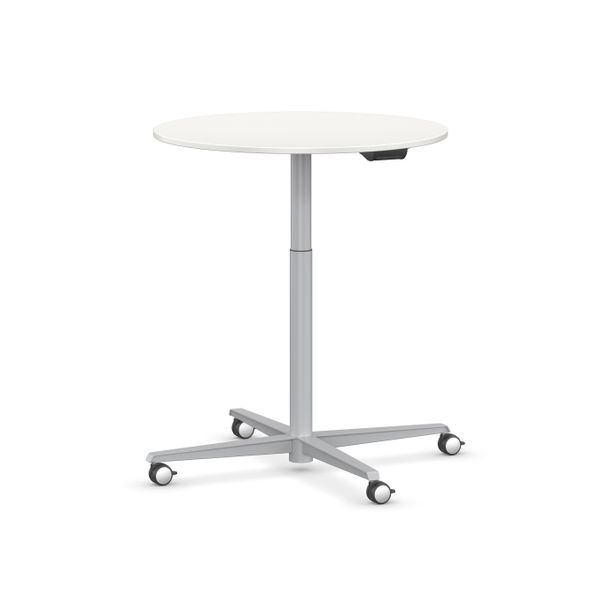
Height-adjustable round table with round column
Diameter: 35.45"
Height adjustable: 27.6" - 44.3"
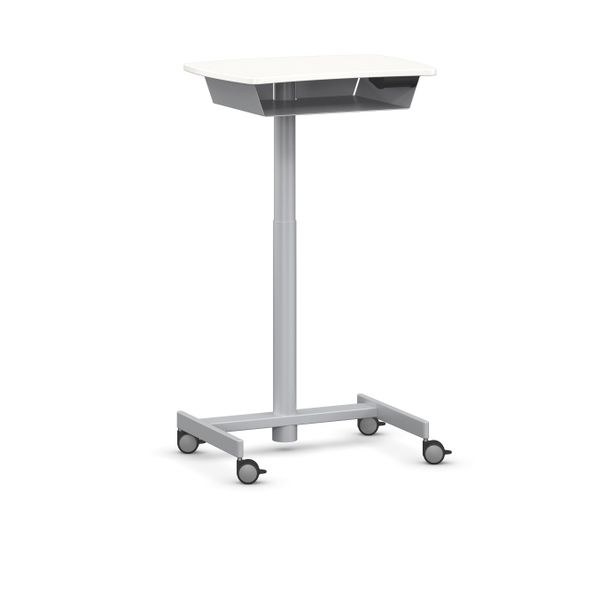
Freeform table and lectern
W: 26.4" x D: 20.1"
Height adjustable: 27.95" - 44.9"
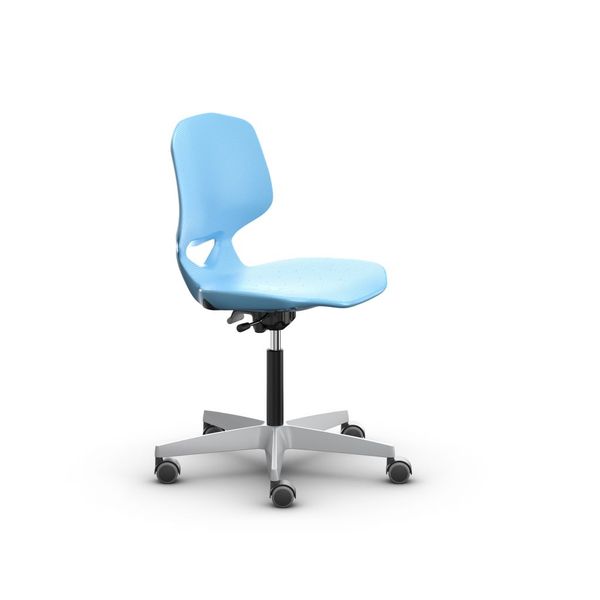
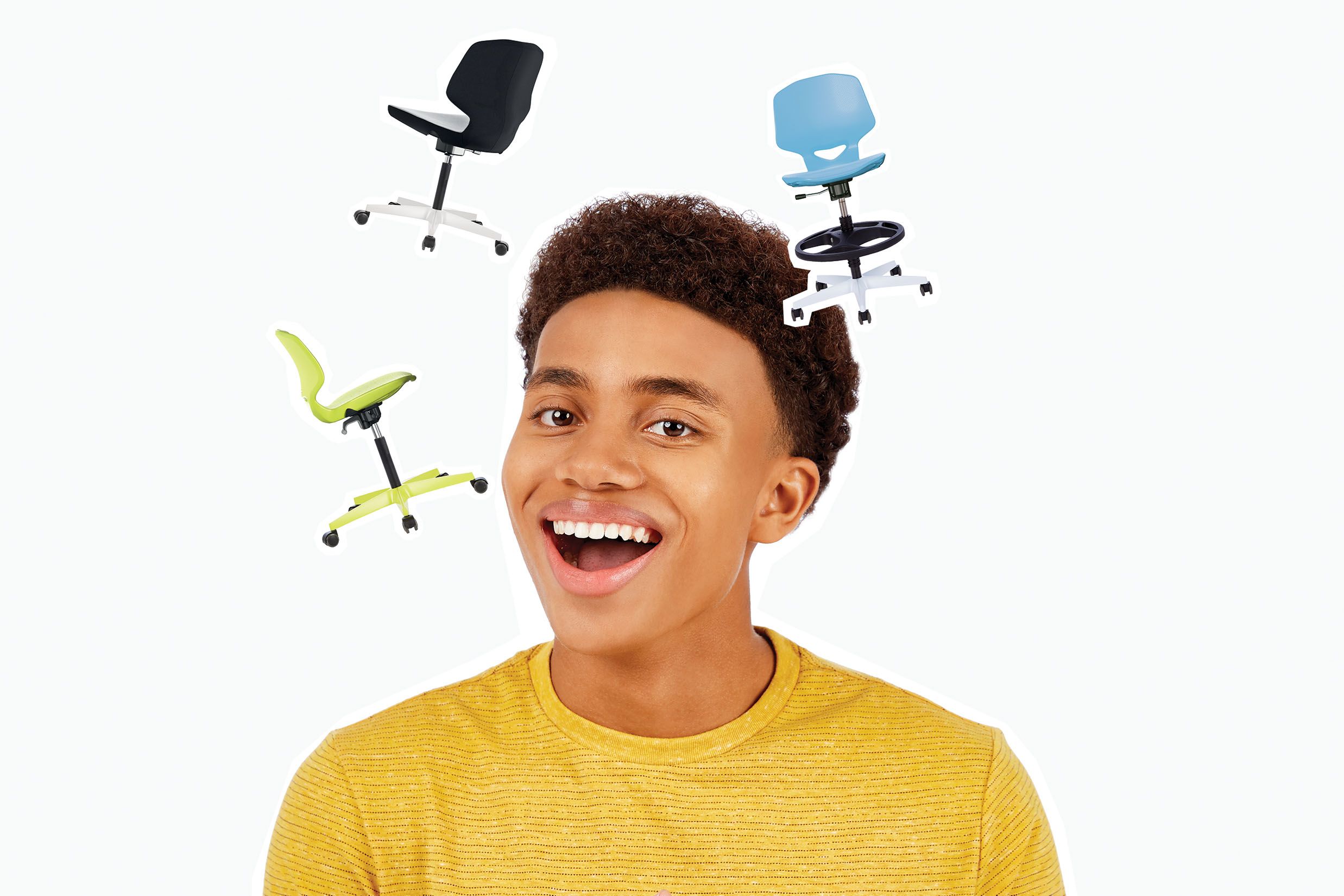
Height-adjustable polypropylene swivel chair
Height adjustable: 16.5" - 21.5"
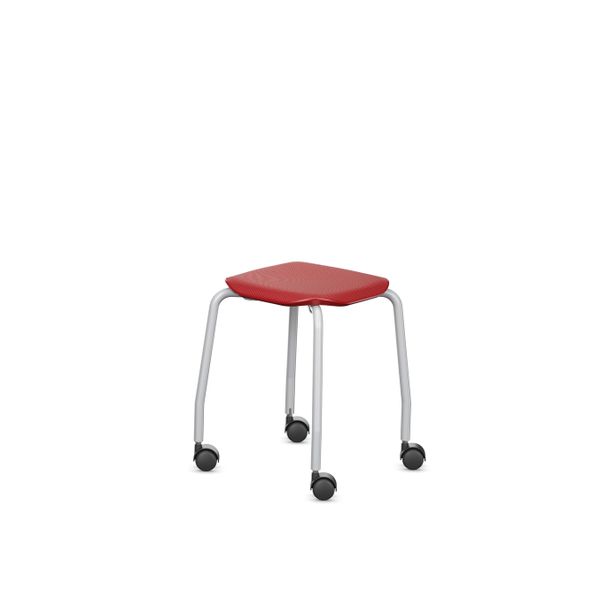
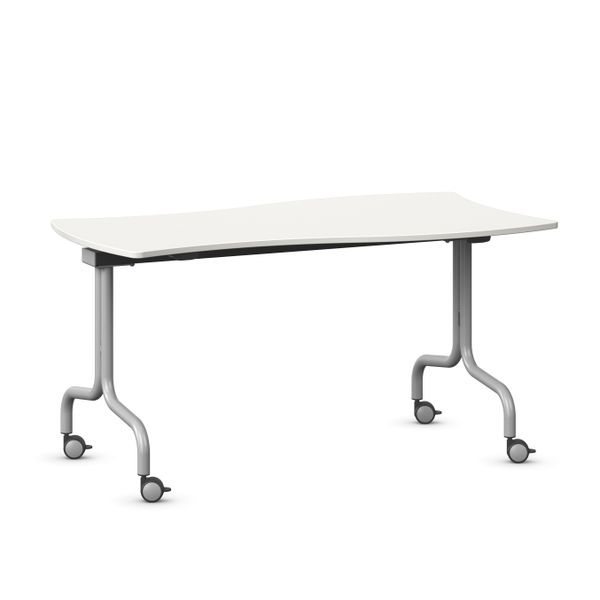
Freeform folding top table
W: 55.55" x D: 31.15"
Available in 6 fixed heights or step height adjustable in 2 ranges: 25.2" - 29.95" / 29.15" - 38.2"
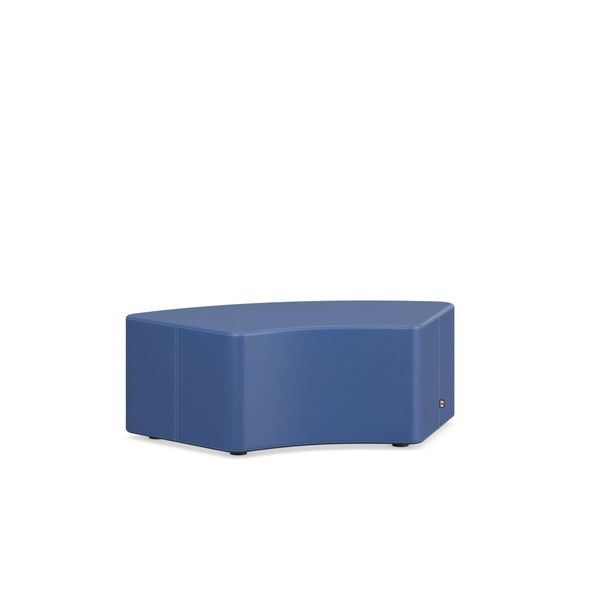
Upholstered 60° curved seating element
W: 43.3" x D: 20.8"
Available in 3 fixed seat heights
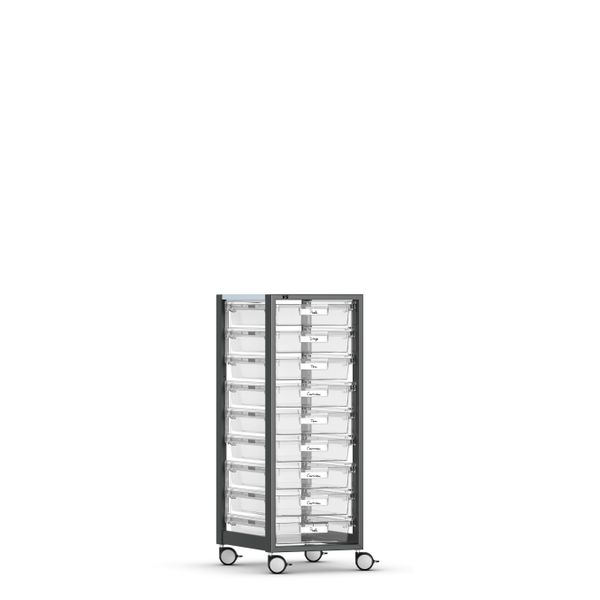
Mobile storage element for Certwood standard bins
W: 14.45" x H: 39.25" x D: 19.05"
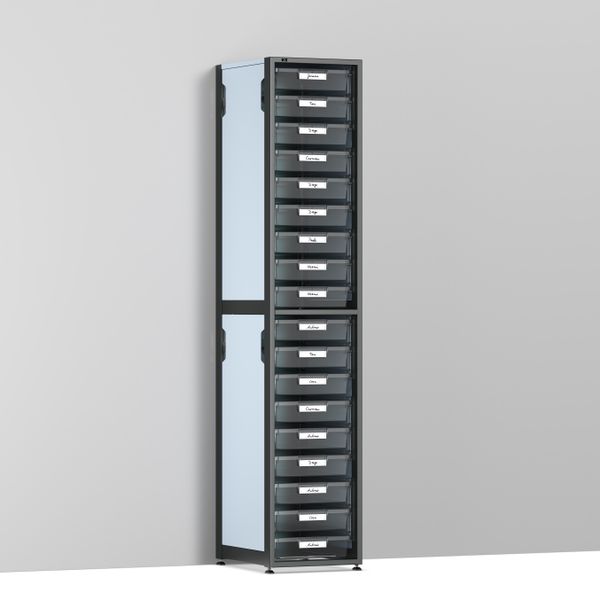
Wall-mounted storage element for Certwood standard bins
W: 14.45" x H: 72.4" x D: 19.05"